
Velkommen til Danske Slotshoteller
De gamle bygninger er renoveret henover årene med henblik på at bevare deres kulturhistoriske arv og charme. Her står dørene åbne for gæster, som kan træde ind i verden af historie og nyde moderne bekvemmeligheder. Her kan man ikke blot bo, men afholde arrangementer og fejre højtider. Velkommen til steder, hvor fortiden lever i nutiden.
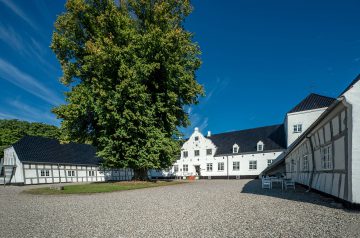
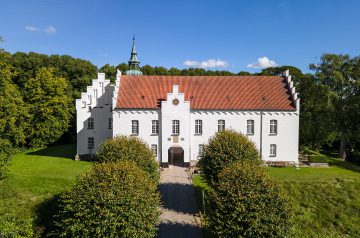
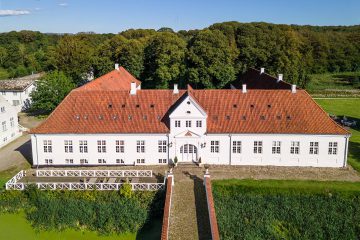
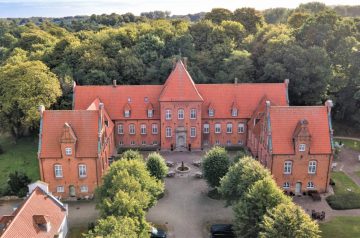
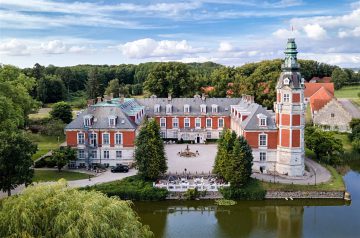
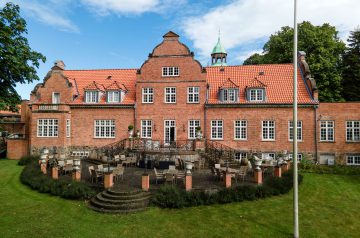
Slotte og herregårde i hele Danmark
Bo midt i historien omgivet af mark og skov. Ejendommene drives med land- og skovbrug, der leverer velsmagende råvarer til restauranten. Stuerne benyttes til møder og sammenkomster. Team Building med aktiviteter som skatte- og hjortejagt, spøgelser, vinsmagning og kokkekursus. Til ferien udlejes lækre boliger med indtil 45 sengepladser. Læs mere her
Naturelskere mødes på de skønne steder, hvor du kan kombinere oplevelser ude i skov, strand og mark med komfortabel overnatning, mødelokale, lækker mad og vine. Få inspiration til dit naturmøde her.
Nyheder- klik på link
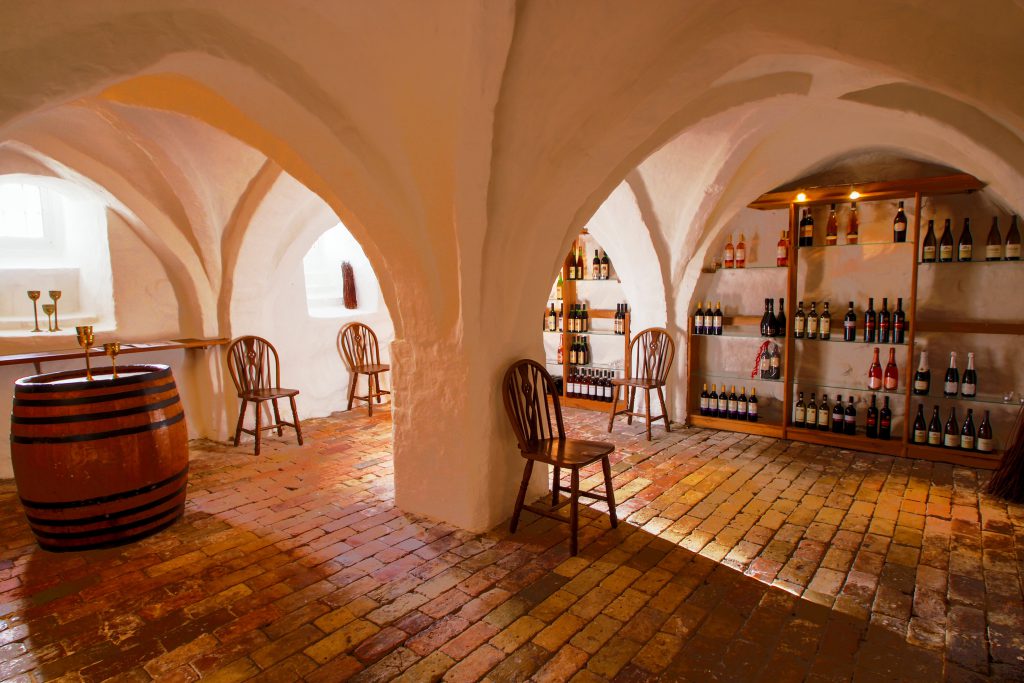
Slotte og herregårde afholder møder og fester samt ophold for individuelle gæster, der for en tid kan bo midt i historien og forkæles med livets goder. Læs om arrangementer på slottene her.
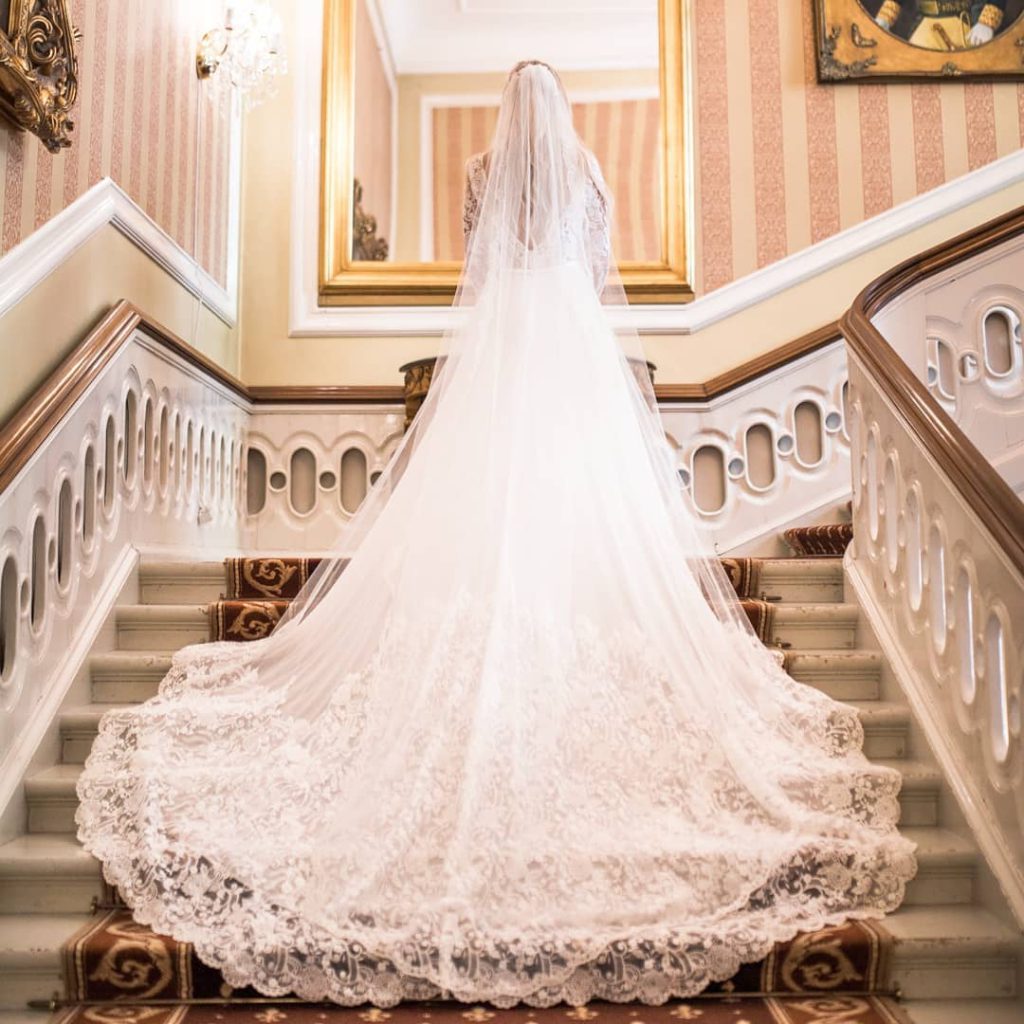
På Danske Slothoteller er vi stolte over at have været med til at afholde utallige bryllupper siden 1988. Læs mere om slotsbryllup her.
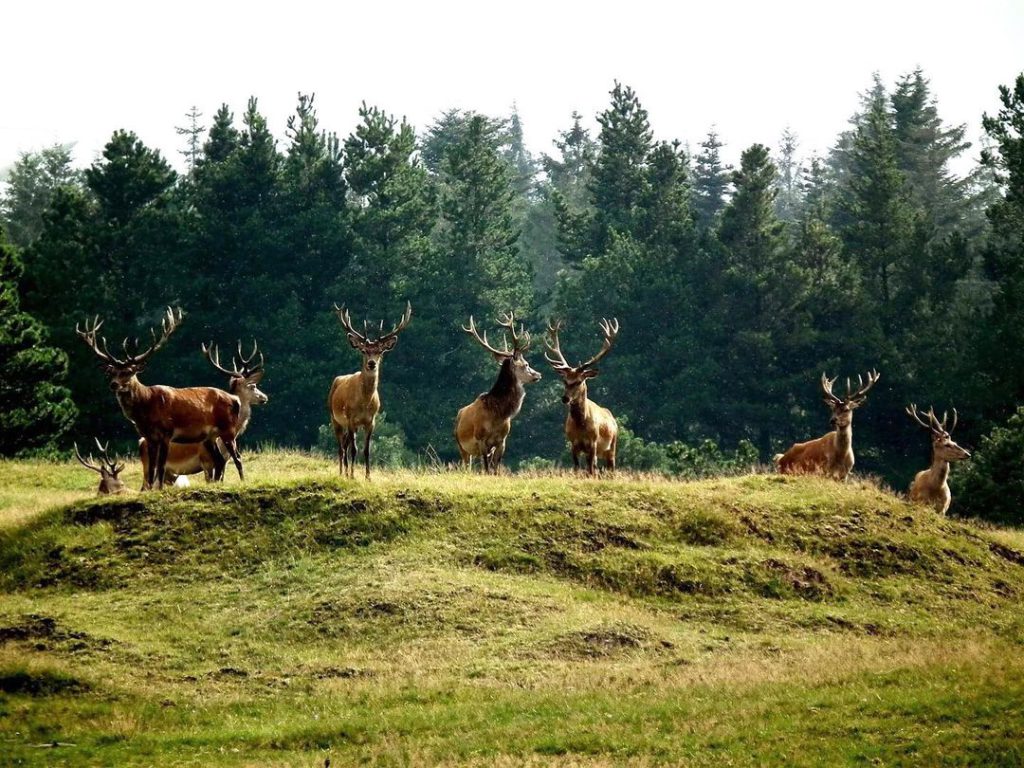
Jagt kan arrangeres med overnatning og middag på Kokkedal Slot eller i den hyggelige jagthytte i skoven. Læs mere om jagt på Røgegård her.
I foråret afholdes råge, bukke og Muflon jagtophold – se her. Bo på Store Restrup med ½ pension og jagtoplevelse pris 1298,- eller kom på Nak og Æd et Muflon på Røgegård.
Nyheder- Feriebolig udlejes
I haven nær skov og strand ligger feriehuse, der udlejes med køkken.
Dagleje fra 600 kr. i lavsæson til 900 kr. i højsæson.
Sted
- Hvedholm ved Faaborg 40 senge
- Sophiendal bed Skanderborg 41 senge
- Vraa Slot ved Tylstrup 12 senge
- Kokkedal Slot ved Tranum 44 senge
- Røgegård ved Torup 18 senge
Kan benyttes til lejrskole og kursuster.
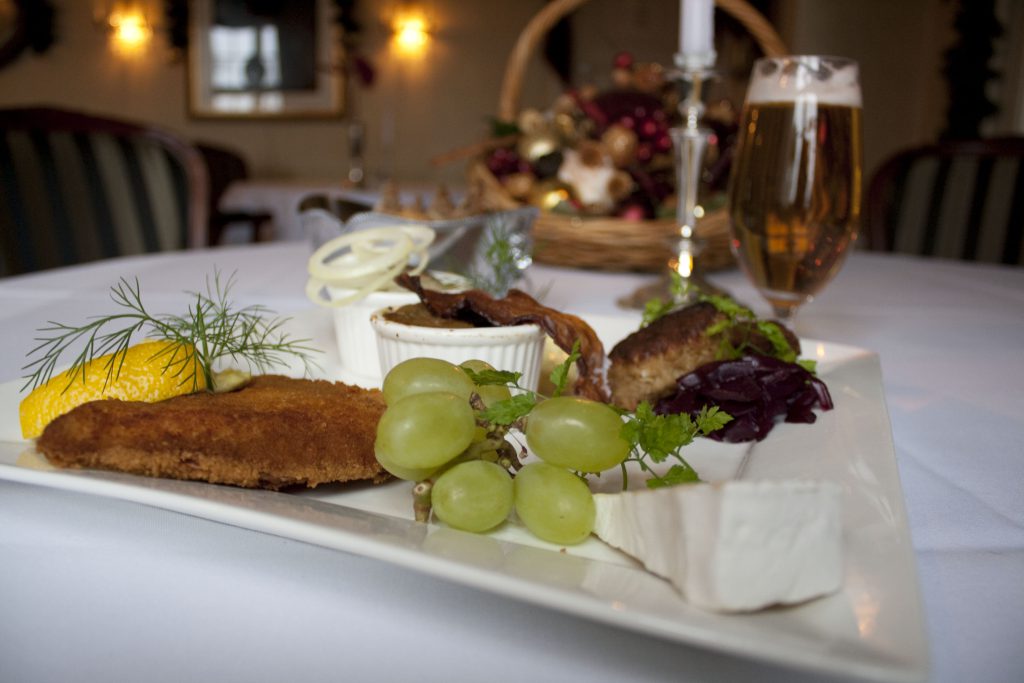
Oplev foråret med blomster, der pibler frem i haven. Restauranten serverer frokost påskesøndag 198,-. Book bord på restaurantsiden. Du kan nyde et slotsophold: Velkomst med bobler & sødt, 3-retters påskemenu, overnatning i dobbeltværelse og morgenmad.
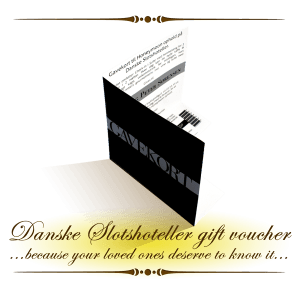
Vi tilbyder også gavekort, så du kan give den perfekte gave oplevelse på vores slotshoteller eller til vores spændende jagtoplevelser. Se mere her.
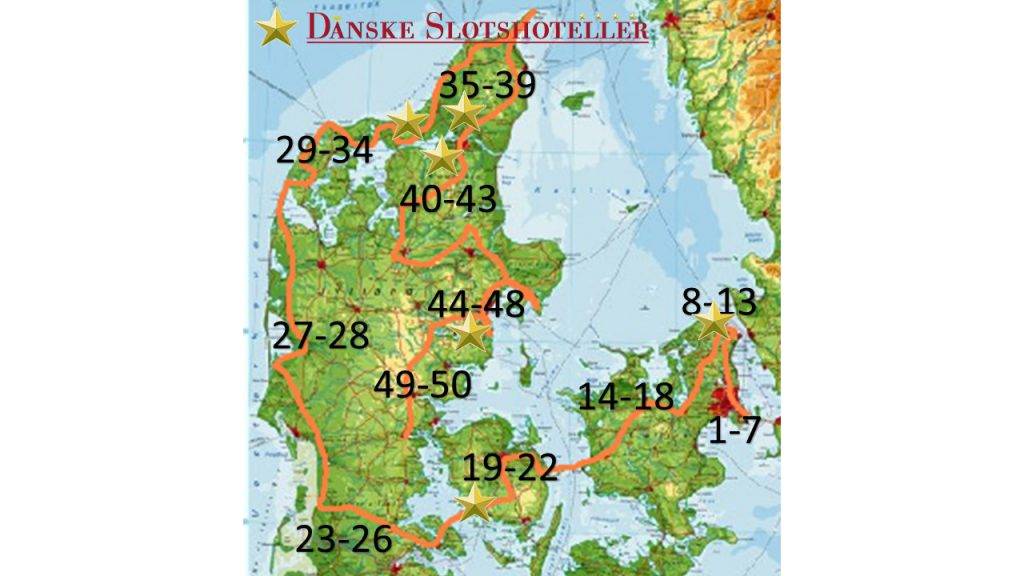
Historiske Oplevelser på egnen omkring slottene
Besøg områdets spændende seværdigheder

Danske Slotshoteller ligger landets rundt i smukke omgivelser og byder på en række oplevelser indenfor møder og events – se her og priser 2024 her.
Copyright 2021 - Danske Slotshoteller
Slotte og herregårde afholder møder og fester samt ophold for individuelle gæster, der for en tid kan bo midt i historien og forkæles med livets goder. Læs om arrangementer på slottene her.